The Sacred Story of Maha Kumbh Mela
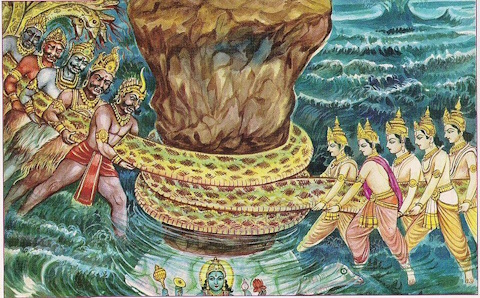
The origins of Maha Kumbh Mela trace back to the Samudra Manthan (churning of the cosmic ocean), where gods and demons battled for Amrit (nectar of immortality). As Lord Vishnu carried the divine nectar in a Kumbh (pot), a fierce struggle ensued, causing drops to spill at four sacred locations—Prayagraj, Haridwar, Nashik, and Ujjain.
To commemorate this divine event, millions of devotees, sadhus, and spiritual seekers gather every 12 years at these locations to take the Shahi Snan (royal bath) in the holy rivers, seeking moksha (salvation) and purification from sins.
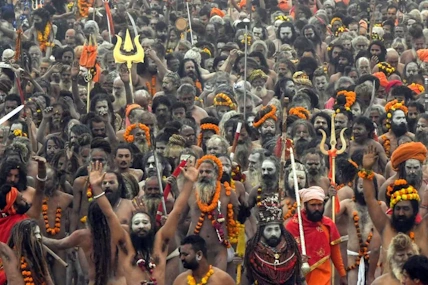
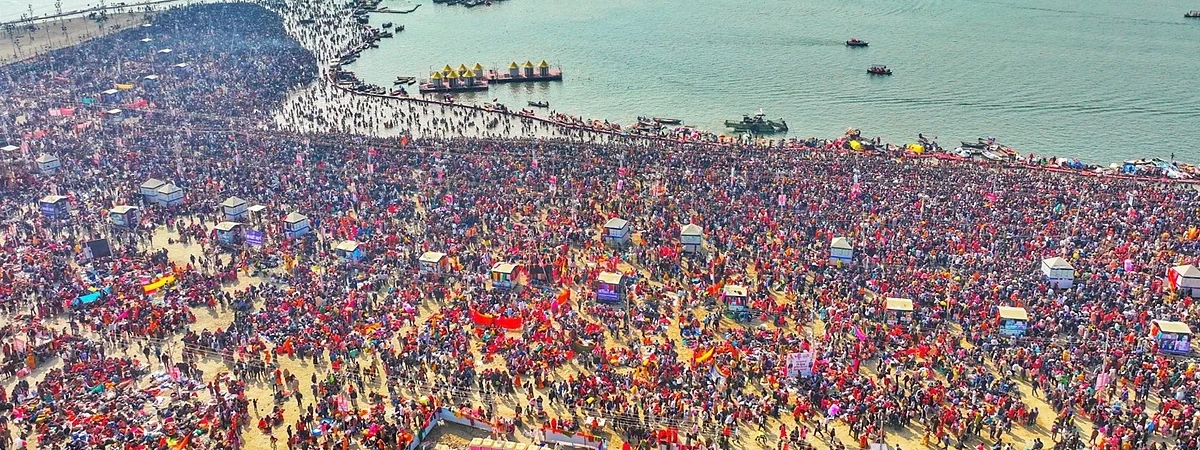
Maha Kumbh 2025, hosted in Prayagraj, is set to be the largest yet, drawing over 100 million pilgrims worldwide. The event features vibrant naga sadhus, akharas, Ganga aarti, cultural programs, and spiritual discourses. The main bathing days include Makar Sankranti (January 14, 2025), Mauni Amavasya (February 10, 2025), and Basant Panchami (February 26, 2025).
However, the sheer scale of Mahakumbh comes with challenges, including stampedes, crowd management, and logistics. Authorities have implemented advanced AI surveillance, drone monitoring, and crowd control measures to ensure a safe and divine experience for all.
From ancient mythology to modern-day management, Maha Kumbh Mela remains a spiritual marvel, blending faith, tradition, and devotion on an unprecedented scale.